Presencia de endoparásitos en Alouatta pigra en ambientes forestales contrastantes de la selva Lacandona, Chiapas
J. Manuel Aranda-Coello a, d, Carlos Machain-Williams a, Gloria León-Ávila b, Sergio Camilo Malaver-Pérez b, Daniel Núñez-Avellaneda c, Javier Gutiérrez-Jiménez d, *
a Instituto Politécnico Nacional, Unidad Profesional Interdisciplinaria de Ingeniería Campus Palenque, Estudios en Una Salud, Carretera Federal 199, tramo Catazajá – Rancho Nuevo Km. 24.5, Col. Pakal-na, 29960 Palenque, Chiapas, Mexico
b Instituto Politécnico Nacional, Escuela Nacional de Ciencias Biológicas, Laboratorio de Genética, Departamento de Zoología, Prolongación de Carpio y Plan de Ayala s/n, Alcaldía Miguel Hidalgo, 11314 Ciudad de México, Mexico
c Secretaría de Ciencia, Humanidades, Tecnologías e Innovación (SECIHTI), Subsecretaría de Desarrollo Tecnológico, Vinculación e Innovación, Av. Insurgentes Sur 1582, Col. Crédito Constructor, Benito Juárez, 03940 Ciudad de México, Mexico
d Universidad Autónoma de Ciencias y Artes de Chiapas, Instituto de Ciencias Biológicas, Libramiento Norte-Poniente 1150, Col. Lajas Maciel, 29039 Tuxtla Gutiérrez, Chiapas, Mexico
*Corresponding author: javier.gutierrez@unicach.mx (J. Gutiérrez-Jiménez)
Received: 23 March 2026; accepted: 27 July 2026
Abstract
This study assessed the frequency of intestinal parasitism in Alouatta pigra inhabiting conserved and disturbed forest conditions in the Lacandona rainforest, Chiapas, Mexico. Thirty-nine fecal samples from individual monkeys were collected and analyzed using a flotation technique. The overall percentage of parasitized samples was 38.5% (15/39). Although the disturbed area showed a higher percentage of positive samples (46.2%) than the conserved area (23.1%), this difference was not statistically significant. The parasite genera identified were Controrchis sp., Strongyloides sp., Entamoeba sp., and Giardia sp.; samples with more than 1 parasite genus were recorded only in disturbed areas. These findings provide baseline information on intestinal parasitism in A. pigra in the southern Lacandona rainforest and suggest the need for future studies including local inhabitants, domestic animals, livestock, and environmental reservoirs to evaluate possible transmission pathways in human-modified landscapes.
Keywords: Coproparasitology; Habitat disturbance; Howler monkeys; Parasite frequency; Platyrrhini; Tropical rainforest
Resumen
Este estudio evaluó la frecuencia de parasitismo intestinal en Alouatta pigra en condiciones forestales conservadas y perturbadas en la región sur de la selva Lacandona, Chiapas, México. Mediante una técnica de flotación, se analizaron 39 muestras fecales de individuos de A. pigra. El porcentaje general de muestras con parásitos fue de 38.5% (15/39). El área perturbada presentó una mayor proporción de muestras con parásitos (46.2%) que el área conservada (23.1%), aunque estas diferencias no fueron estadísticamente significativas. Los géneros parasitarios identificados fueron Controrchis sp., Strongyloides sp., Entamoeba sp. y Giardia sp.; las muestras con más de 1 género parasitario se registraron únicamente en el área perturbada. Estos hallazgos aportan información de línea base sobre el parasitismo intestinal en A. pigra en la región sur de la selva Lacandona y sugieren la necesidad de estudios futuros que incluyan pobladores locales, animales domésticos, ganado y reservorios ambientales para evaluar posibles rutas de transmisión en paisajes modificados por actividades humanas.
Palabras clave: Coproparasitología; Disturbio del hábitat; Monos aulladores; Frecuencia parasitaria; Platyrrhini; Selva tropical
Introduction
The black howler monkey (Alouatta pigra) is a Mesoamerican primate species that inhabits Belize, northern Guatemala, and southeastern Mexico (Baumgarten & Williamson, 2007). It occurs in a variety of habitats, ranging from continuous rainforests to landscapes affected by anthropogenic disturbance. Research on intestinal parasitism in A. pigra has reported prevalences ranging from 15 to 81%, with the most frequently reported parasites including Controrchis biliophilus, Trypanoxyuris minutus, Giardia sp., and Entamoeba sp. (Eckert et al., 2006; Trejo-Macías & Estrada, 2012).
Gastrointestinal parasites are common components of the natural parasitic fauna of wild primates; however, their ecological and conservation relevance depends on host condition, parasite load, parasite richness, seasonality, habitat quality, and exposure to environmental infective stages (Barelli et al., 2020, 2021; Gillespie, 2006). In howler monkeys, parasitism has been associated with ecological factors such as seasonality, group size, habitat disturbance, and proximity to human-modified environments (Martínez-Mota et al., 2018; Stoner & González-Di Pierro, 2006; Trejo-Macías & Estrada, 2012; Trejo-Macías et al., 2007), which may influence host health, energetic balance, susceptibility to other stressors, and, under certain conditions, demographic parameters such as survival and reproduction (Akinyi et al., 2019; Rakotoniaina et al., 2016). Therefore, parasitological surveys in areas where primates are threatened are useful not only to document parasite occurrence but also to provide baseline information for future health and conservation monitoring (Gillespie, 2006; Martínez-Mota et al., 2018).
Environmental factors such as the rainy season, alongside habitat disturbance, have been implicated in the presence of gastrointestinal parasites in A. pigra (Trejo-Macías & Estrada, 2012). Moreover, studies conducted in Belize and Mexico on A. pigra groups living near human settlements have reported infections with Giardia duodenalis, suggesting potential anthropozoonotic transmission pathways (Vitazkova & Wade, 2006). Nevertheless, the presence of intestinal parasites is influenced by habitat conditions, host behavior, diet, contact with infected individuals or environmental infective stages, and ecological factors that support parasite viability (Stoner & González-Di Pierro, 2006). Another study reported up to 19 parasite morphotypes in the feces of A. palliata mexicana and A. pigra, which inhabit the forests of Veracruz and Chiapas. A greater frequency of parasite-positive samples was recorded in fragmented rainforest areas, and nematodes were more frequently observed during the rainy season (Trejo-Macías & Estrada, 2012).
Other studies have investigated intestinal parasites in primates inhabiting the Lacandona rainforest in Chiapas. One of them analyzed feces from A. pigra groups and documented up to 8 parasite taxa, including protozoans, nematodes, and a trematode (Stoner & González-Di Pierro, 2006). That study reported higher parasite intensity in larger groups, as well as seasonal variation in the occurrence of protozoans and nematodes.
A study analyzed fecal samples from A. pigra living in both conserved and disturbed areas of Campeche and Chiapas, Mexico, and found a higher frequency of parasitized samples in the disturbed area, with nematodes recorded only in this habitat condition (Trejo-Macías et al., 2007). However, the relationship between disturbance and parasitism is not necessarily unidirectional. In fragmented areas of Balancán, Tabasco, Mexico, parasite presence in A. pigra decreased with proximity to human settlements, suggesting that severe habitat disruption may alter host-parasite interactions and reduce parasite occurrence or richness under certain ecological conditions (Martínez-Mota et al., 2018).
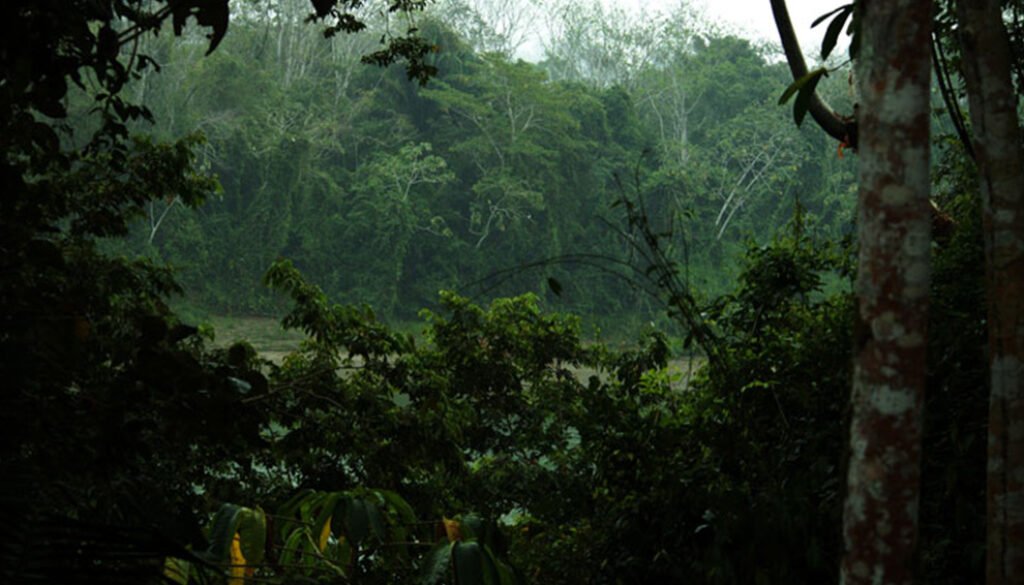
In the Lacandona rainforest, conserved and disturbed areas are located on opposite sides of the Lacantun River. The river may not only limit the movement of some monkey individuals across both landscape conditions but also serve as a boundary between contrasting ecological environments and anthropogenic pressures. These factors may, in turn, influence the parasitic fauna of primate groups on either side of the river. Thus, we hypothesize that A. pigra individuals inhabiting the disturbed area would show a higher frequency of intestinal parasites than those inhabiting the conserved area. Consequently, the present study aimed to assess the frequency of intestinal parasitism and parasite richness in wild A. pigra inhabiting conserved and disturbed forest conditions in the southern Lacandona rainforest, Chiapas, Mexico.
Materials and methods
This study was conducted in the southern region of the Lacandona rainforest, Chiapas, Mexico (16°14’26.51” – 16°20’23.61” N, 90°51’24.43” – 90°46’24.46” W) (Fig. 1). Elevation ranges from 400 to 1,300 m asl. The predominant vegetation is tropical evergreen rainforest, characterized by a warm and humid climate, with an annual mean temperature of 24 -26 °C and annual precipitation ranging from 1,500 to 3,500 mm (Carabias et al., 2015). Fecal samples were collected from 2 contrasting landscape conditions located on opposite sides of the Lacantún River. The first corresponded to a relatively well-conserved forest within the southern portion of the Montes Azules Biosphere Reserve (REBIMA), a federally protected area covering 331,200 ha and containing one of the largest remaining continuous tracts of humid tropical forest in Mexico. The sampled sites were embedded within an extensive forest matrix composed of low hills, alluvial terraces, floodplains, seasonally inundated areas, and karstic relief. Vegetation is dominated by tropical evergreen rainforest, where canopy trees generally reach 30-50 m and emergent individuals may attain approximately 70 m in height. Localized patches of low-stature, savanna-like vegetation occur under specific edaphic conditions; however, these patches represent a distinct vegetation type and should not be interpreted as part of the rainforest understory (Carabias et al., 2015; De La Maza, 2015; De Vos et al., 2015).
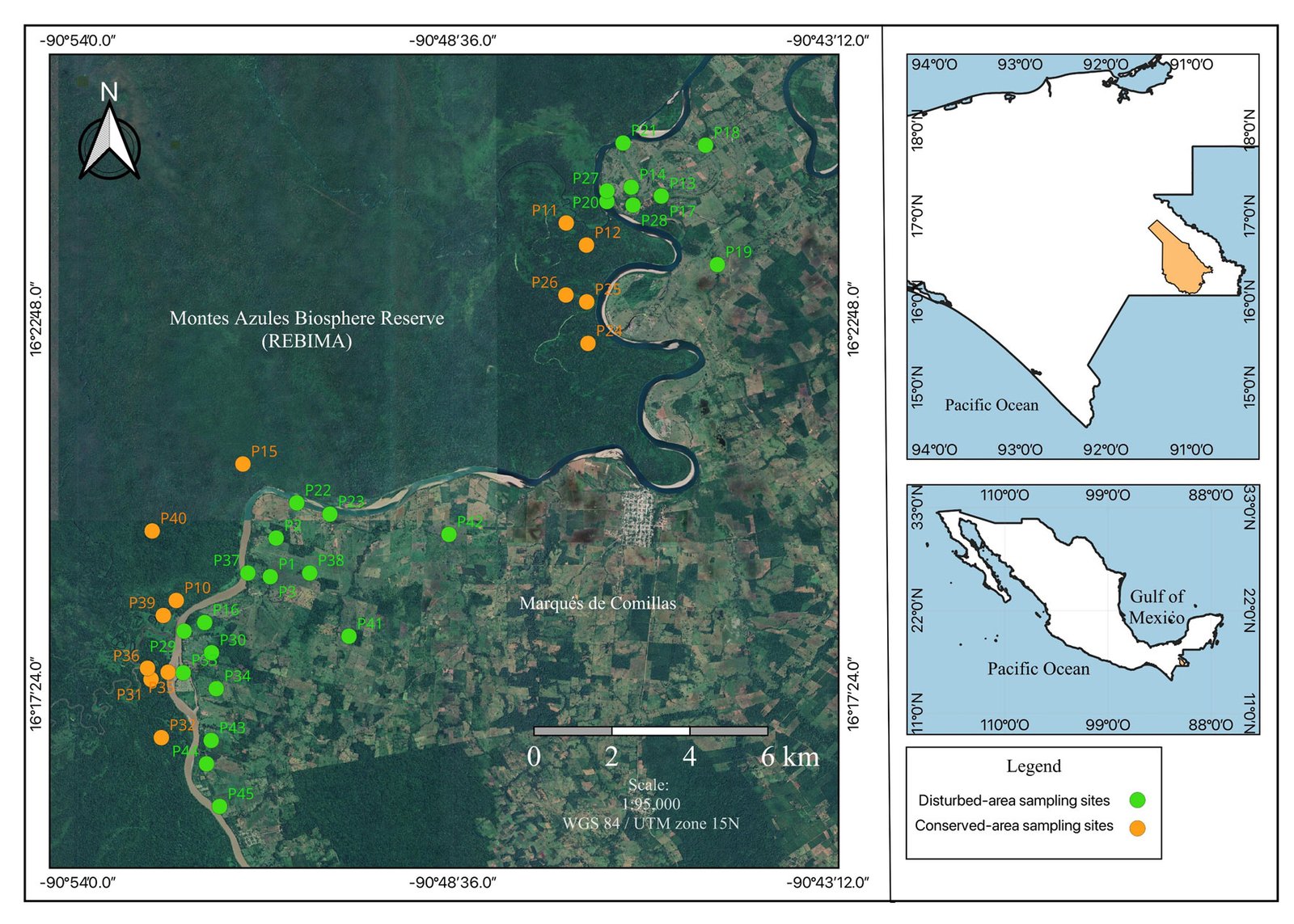
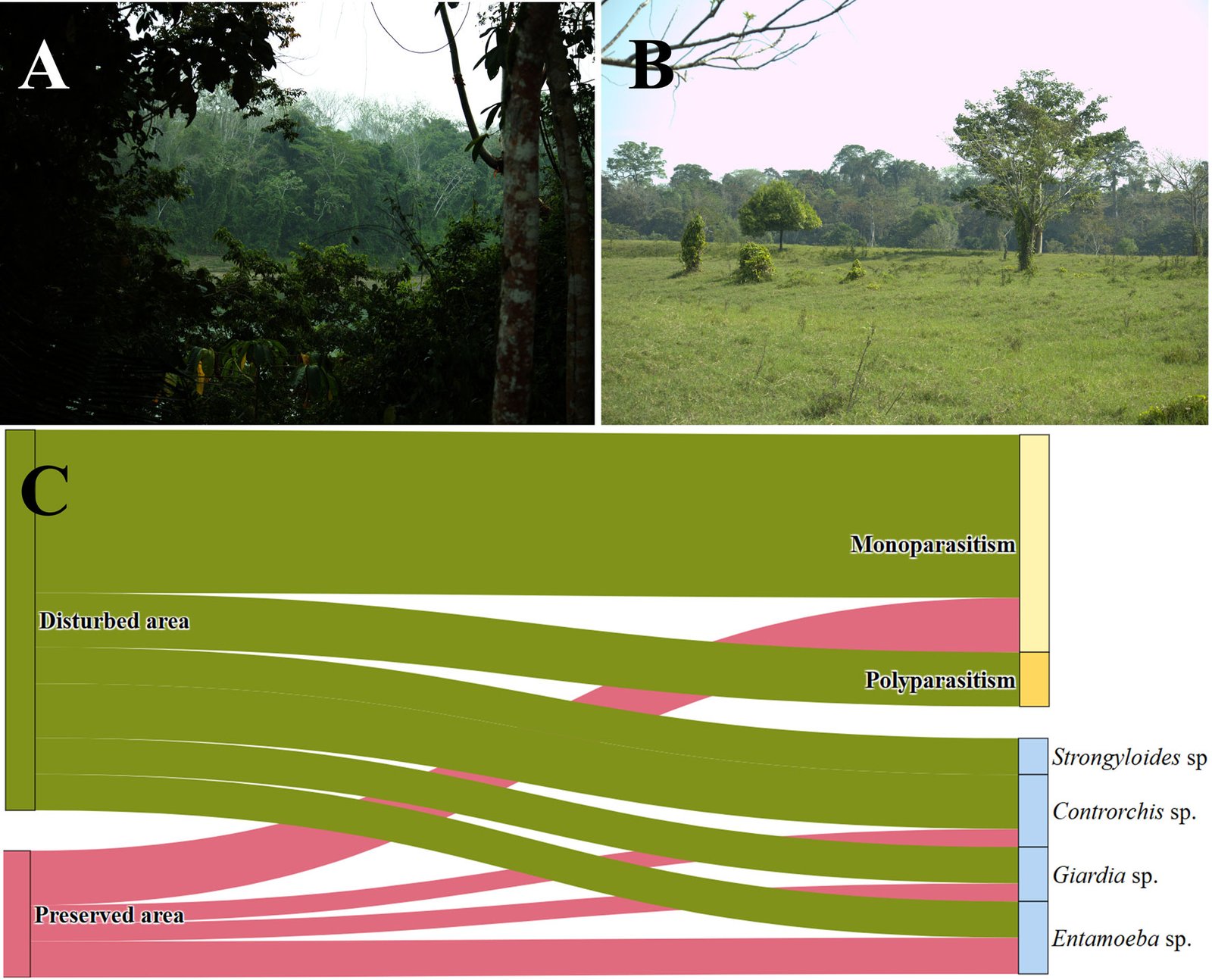
The second condition corresponded to the human-modified landscape of the municipality of Marqués de Comillas, located on the opposite bank of the Lacantún River. The municipality covers approximately 92,946 ha and is characterized by a fragmented forest matrix interspersed with cattle pastures, agricultural fields, secondary vegetation, roads, and rural settlements. By 2007, forest cover had declined to 46,304 ha, representing 49.8% of the municipality’s potential forest area. In 2010, Marqués de Comillas had 9,856 inhabitants distributed among 28 localities, corresponding to an estimated population density of approximately 10.6 inhabitants km-2. Agricultural land occupied 13,133 ha in 2013, whereas the 2007 Agricultural, Livestock and Forestry Census recorded 17,405 cattle distributed among 944 livestock production units. Typical production units covered approximately 30-50 ha, generally allocating 20-40 ha to cattle pasture and 1-5 ha to maize, bean, squash, or chili cultivation. Therefore, the 2 conditions differed not only in their position relative to the Lacantún River, but also in forest continuity, degree of legal protection, human settlement density, and the extent and intensity of agricultural and livestock activities (Meli et al., 2015; Montes de Oca et al., 2015).
This study was carried out under the collection permit number F00-DRFSIPS/OTA/036/2022, issued by the Ministry of the Environment and Natural Resources (Semarnat). Fecal samples were collected once per individual, whenever possible, from May to October 2023 and in January 2024, depending on access to conserved and disturbed areas in the Lacandona rainforest. The samples were collected from free-ranging A. pigra individuals belonging to approximately 13 monkey groups: 8 in the disturbed area and 5 in the conserved area, based on field observations and the spatial separations of sampling sites. Sampling effort included 3 days of survey in the conserved area and 2 days of survey in the disturbed area. Monkey groups were located between 06:00 and 08:30 h. We waited for the monkeys to defecate and collected the samples immediately after deposition. Fresh fecal samples were collected from the ground or vegetation, avoiding portions that were in direct contact with soil (Gillespie, 2006). Using a sterile spatula, ~ 5 g of each fecal sample was transferred into a plastic tube containing 15 mL of 10% formaldehyde for preservation (Govea-Casas et al., 2024). All samples were labeled with an identification number, collection date, habitat condition (conserved or disturbed), and geographic coordinates (Gillespie, 2006).
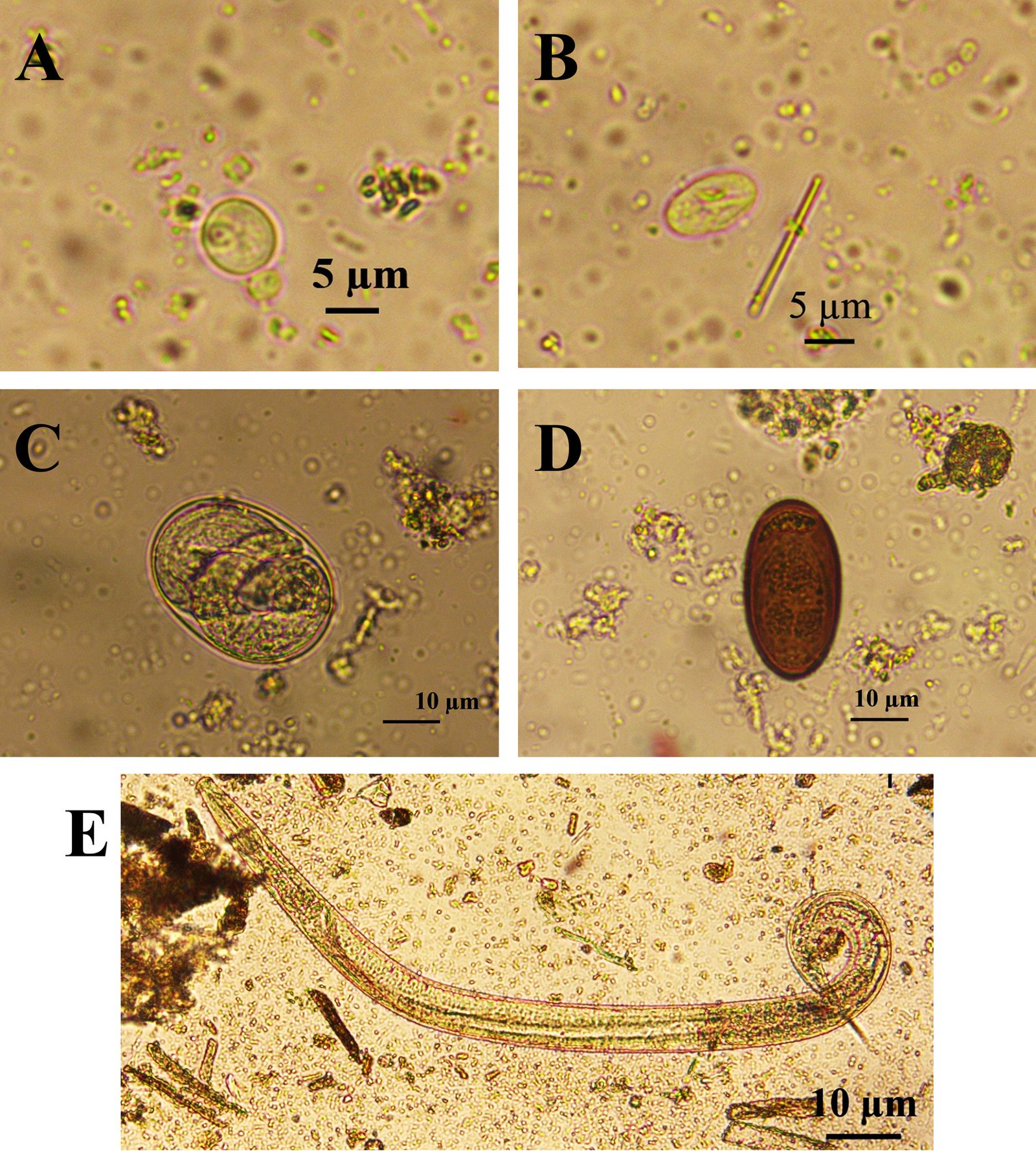
Preserved samples were homogenized, and 8 mL of each suspension was filtered through medical gauze. A 0.85% NaCl solution was added until the tube was nearly full, and the mixture was centrifuged at 500 x g for 10 min. After decanting the supernatant, the pellet was resuspended in a 33% ZnSO4 solution, keeping the liquid level approximately 3 mm below the rim of the tube. Samples were then centrifuged again at 500 x g for 10 min. Three 10 µL aliquots of the supernatant were examined under light microscopy. Parasite structures, including cysts, trophozoites, eggs and larvae, were documented using a Zeiss™ camera, following established protocols (Garcia et al., 2005). For each sample, parasite detection was recorded as positive or negative, and the number of parasite genera was classified as 1 parasite genus or more than 1 parasite genus. Habitat condition (conserved or disturbed) and season (dry or rainy) were treated as categorical variables (Monitoring intestinal parasites in Alouatta pigra at the Lacandon forest, Chiapas – Mendeley data; Aranda-Coello et al., 2025). Associations between parasite detection and categorical variables were evaluated using Fisher’s exact test, with p-values ≤ 0.05 considered statistically significant. All statistical analyses were performed using SPSS v.25 (IBM Corp, Armonk, NY, USA).
Results
A total of 39 fecal samples were collected, each corresponding to a different A. pigra individual, in the southern region of the Lacandona rainforest. More than half of these samples were collected in the disturbed area (N = 26, 66.7%), whereas the remaining samples were collected in the conserved area (N = 13, 33.3%). By season, 7 samples (18%) were collected during the dry season and 32 (82%) during the rainy season.
The overall frequency of intestinal parasites was 38.5% (15/39). A higher percentage of positive samples was observed in the disturbed area (46.2%; 12/26) than in the conserved area (23.1%; 3/13), although this difference was not statistically significant (p > 0.05). No significant association was detected between parasite presence and season (p > 0.05). However, these results should be interpreted with caution because all dry-season samples were collected from the disturbed area.
The parasite genera identified were Controrchis sp., Strongyloides sp., Entamoeba sp., and Giardia sp. Parasite richness was slightly higher in the disturbed area. Fecal samples containing more than 1 parasite genus were recorded only in the disturbed area (Table 1, Figs. 2, 3).
| Coproparasitoscopic analysis | Preserved N (%) | Disturbed N (%) | p-value |
|---|---|---|---|
| Positive | 3 (23.1) | 12 (46.2) | 0.295 |
| Negative | 10 (76.9) | 14 (53.8) | |
| Type of parasitism | |||
| One parasite genus | 3 (23.1) | 9 (34.6) | 0.384 |
| More than 1 parasite genus | 0 (0.0) | 3 (11.5) | |
| Season | |||
| Dry | 0 (0.0) | 7 (26.9) | 1.000 |
| Rainy | 13 (100.0) | 19 (73.1) | |
| Identified parasites | |||
| Entamoeba sp. | 1 (7.7) | 3 (11.5) | 1.000 |
| Giardia sp. | 2 (15.4) | 6 (23.1) | 0.694 |
| Strongyloides sp. | 0 (0.0) | 4 (15.4) | 0.281 |
| Controrchis sp. | 1 (7.7) | 4 (15.4) | 0.648 |
| Entamoeba sp./ Giardia sp. | 0 (0.0) | 1 (3.8) | |
| Strongyloides sp./ Giardia sp. | 0 (0.0) | 1 (3.8) | |
| Strongyloides sp. /Controrchis sp. | 0 (0.0) | 1 (3.8) | |
| Richness | 3 | 4 |
Discussion
The relationship between habitat disturbance and intestinal parasitism in A. pigra appears to be context-dependent. In the southern Lacandona rainforest, habitat condition was not significantly associated with parasite occurrence, suggesting that local ecological conditions, host behavior, seasonality, and contact with environmental infective stages should be considered jointly when interpreting patterns of parasitism. Similar parasite-positive frequencies have been reported in previous studies of howler monkeys from southern Mexico and Mesoamerica, including A. pigra populations inhabiting forests with different degrees of anthropogenic disturbance (Stoner & González-Di Pierro, 2006; Trejo-Macías & Estrada, 2012; Trejo-Macías et al., 2007; Vitazkova & Wade, 2006).
A previous study conducted in Palenque, Chiapas, and Los Tuxtlas, Veracruz, reported higher prevalences of parasitized individuals in A. pigra and A. palliata inhabiting disturbed areas (23.9% and 45.7%, respectively) than in conserved areas (13.9% and 23.6%, respectively) (Trejo-Macías et al., 2007). Our results showed a similar descriptive tendency, with a higher percentage of positive samples in the disturbed area, although the difference was not statistically significant. Thus, our findings are consistent with the hypothesis that human-modified landscapes may alter exposure pathways to intestinal parasites, but they do not provide statistical evidence that habitat conditions alone explain parasite occurrence in this population.
In the Lacandona rainforest, a significant factor contributing to disturbance has been the establishment of human settlements since the 1980s, followed by the expansion of agricultural practices and cattle ranching (Meli et al., 2015; Montes de Oca et al., 2015). In Marqués de Comillas, forest fragments are embedded within a matrix of cattle pastures, agricultural fields, secondary vegetation, rural settlements, and roads (Meli et al., 2015; Montes de Oca et al., 2015). These landscape characteristics may increase spatial overlap among wildlife, humans, livestock, domestic animals, and environmental sources of infective stages, as has been suggested for non-human primates and other wildlife inhabiting anthropogenic landscapes (White et al., 2019; Gillespie, 2006; Martínez-Mota et al., 2018; Trejo-Macías & Estrada, 2012). However, because local inhabitants, livestock, domestic animals, soil, water, and other potential environmental reservoirs were not sampled in the present study, interspecific transmission or specific sources of infection cannot be inferred from our data. Future studies should evaluate these components to determine whether the disturbed landscape promotes parasite sharing among hosts or whether the detected parasites correspond mainly to taxa that are part of the natural parasitic fauna of platyrrhine primates (Barelli et al., 2020, 2021; Nosková et al., 2024).
Studies from other geographic regions also support the importance of evaluating intestinal parasites at the interface among humans, domestic animals, and non-human primates, although these comparisons should be interpreted with caution because host species, parasite communities, ecological conditions, and human-wildlife contact patterns differ across regions. For example, a study conducted in the Republic of Congo reported shared protozoa and helminths infecting humans and non-human primates living nearby (Medkour et al., 2020). Another study carried out in Cumaral, Colombia, detected intestinal parasites such as Blastocystis sp. and Ascaris sp. in Saimiri cassiquiarensis, potentially associated with habitat loss and contact with humans and domestic animals (Rondón et al., 2025). These reports reinforce the need for future One Health approaches in the Lacandona rainforest.
The parasite genera identified in this study were: Giardia sp., Controrchis sp., Strongyloides sp., and Entamoeba sp. Overall, Giardia sp. was the most frequently detected genus, occurring in both conserved and disturbed areas. This genus has been previously reported in A. pigra from Belize and Mexico, including groups living near human settlements, where its presence has been discussed in relation to potential anthropozoonotic transmission pathways (Vitazkova & Wade, 2006). Molecular characterization would be necessary to assess the epidemiological relevance of these findings (Feng & Xiao, 2011).
Controrchis sp. was detected in both forest conditions, with a slightly higher percentage in the disturbed area. Previous studies have documented Controrchis biliophilus in A. palliata and A. pigra from southern Mexico, including populations inhabiting disturbed or fragmented habitats (Trejo-Macías & Estrada, 2012; Trejo-Macías et al., 2007). The life cycle of Controrchis sp. has been associated with the ingestion of infected ants of the genus Azteca, which are ecologically associated with Cecropia trees (Kowalzik et al., 2010). In the Lacandona rainforest, Cecropia obtusifolia is a common pioneer tree species in disturbed and regenerating areas (Diemont & Martin, 2009). Therefore, variation in the abundance of Cecropia trees, Azteca ants, and primate foraging behavior may influence exposure to Controrchis sp.
Strongyloides sp. was detected only in samples from the disturbed area. Species of Strongyloides have direct life cycles and environmentally free-living stages that may be influenced by humidity, soil conditions, host density, and fecal contamination (White et al., 2019; Nosková et al., 2024). The detection of Strongyloides sp. only in the disturbed area may be consistent with environmental conditions that favor exposure to infective larvae, but the absence of this genus in the conserved area cannot be interpreted as a true absence because of the limited sample size and uneven sampling effort between forest conditions.
Samples containing more than 1 parasite genus were recorded only in disturbed areas. Similar patterns in parasite richness have been reported in Neotropical primates inhabiting fragmented landscapes; however, parasite dynamics can vary according to host species, group size, behavior, diet, parasite community composition, seasonality, and local ecosystem characteristics (Klain et al., 2023; Rondón et al., 2017, 2025).
Our findings are also consistent with studies showing that the relationship between disturbance and parasite occurrence is not straightforward. For example, in the fragmented landscapes of Tabasco, Mexico, parasite presence in A. pigra decreased with increasing proximity to human settlements, suggesting that severe habitat alteration may reduce some opportunities for parasite transmission or disrupt host-parasite interactions (Martínez-Mota et al., 2018). Similarly, in Alouatta guariba clamitans, landscape structure had only a weak influence on parasite richness (Klain et al., 2023). Thus, the higher percentage of positive samples and the slightly greater parasite richness observed in the disturbed area of the Lacandona rainforest should be interpreted as a local pattern that requires confirmation with larger, seasonally balanced sampling and additional ecological variables.
The present study has several limitations. First, the sample size was limited, particularly in the conserved area, where locating groups was more difficult due to the expanse and inaccessibility of the continuous forest. Second, sampling was not balanced across seasons because dry-season samples were collected only from the disturbed area.
Third, coproparasitological techniques may limit parasite identification to higher taxonomic levels such as genus or family, even as morphotypes, and do not provide accurate parasite load estimates. Fourth, humans, livestock, domestic animals, water, soil, and potential intermediate or paratenic hosts were not sampled. These limitations restrict our ability to infer transmission pathways or determine whether the parasite taxa detected in A. pigra are shared with other hosts in the disturbed landscape, a question that requires broader ecological, parasitological, and molecular approaches (White et al., 2019; Feng & Xiao, 2011; Gillespie, 2006; Nosková et al., 2024).
Further research should include larger and seasonally balanced sampling across conserved and disturbed forest conditions, as well as quantitative estimates of parasite load. Studies should also evaluate intestinal parasites in local inhabitants, livestock, and other domestic animals, as well as in environmental reservoirs such as water and soil, with appropriate ethical approval and informed consent when human participants are involved. Additionally, molecular techniques are needed to identify parasite species or lineages, particularly for Giardia sp. and Strongyloides sp., and to evaluate their potential zoonotic relevance (White et al., 2019; Feng & Xiao, 2011; Nosková et al., 2024). Overall, this study provides baseline information on intestinal parasitism in A. pigra from the southern Lacandona rainforest and contributes to future health-monitoring efforts for this threatened primate in landscapes with contrasting conservation conditions.
Acknowledgements
This study was supported by Natura y Ecosistemas Mexicanos, A.C. The authors are grateful to the staff of the Tzendales Biological Station for providing logistical support throughout the fieldwork. We also sincerely thank all the volunteers who participated in the field expeditions and assisted with the collection of the samples used in this study. Their commitment and invaluable support were essential to the successful completion of this research.
References
Akinyi, M. Y., Jansen, D., Habig, B., Gesquiere, L. R., Alberts, S. C., & Archie, E. A. (2019). Costs and drivers of helminth parasite infection in wild female baboons. Journal of Animal Ecology, 88, 1029–1043. https://doi.org/10.1111/1365-2656.12994
Aranda-Coello, J. M., Machaín-Williams, C., León-Avila, G., Malaver-Pérez, S. C., & Gutiérrez-Jiménez, J. (2025). Monitoring intestinal parasites in Alouatta pigra at the Lacandona forest, Chiapas, Mendeley Data, V1. https://doi.org/10.17632/wmt6txnb8r.1
Barelli, C., Donati, C., Albanese, D., Pafčo, B., Modrý, D., Rovero, F. et al. (2021). Interactions between parasitic helminths and gut microbiota in wild tropical primates from intact and fragmented habitats. Scientific Reports, 11, 21569. https://doi.org/10.1038/s41598-021-01145-1
Barelli, C., Pafčo, B., Manica, M., Rovero, F., Rosa, R., Modrý, D. et al. (2020). Loss of protozoan and metazoan intestinal symbiont biodiversity in wild primates living in unprotected forests. Scientific Reports, 10, 10917. https://doi.org/10.1038/s41598-020-67959-7
Baumgarten, A., & Williamson, G. B. (2007). The distributions of howling monkeys (Alouatta pigra and A. palliata) in southeastern Mexico and Central America. Primates, 48, 310–315. https://doi.org/10.1007/s10329-007-0049-y
Carabias, J., De la Maza, J., & Cadena, R. (2015). Conservación y desarrollo sustentable de la selva Lacandona. Mexico D.F.: Natura y Ecosistemas Mexicanos.
De La Maza, J. (Ed.) (2015). Caracterización de la subcuenca del Lacantún. En Conservación y desarrollo sustentable de la selva Lacandona (pp. 79–83). Mexico D.F.: Natura y Ecosistemas Mexicanos.
De Vos, J., Marion, M., & de la Maza, J. (Eds.). (2015). Colonización de la Selva Lacandona. En Conservación y desarrollo sustentable en la Selva Lacandona (pp. 35–44). Mexico D.F.: Natura y Ecosistemas Mexicanos.
Diemont, S. A., & Martin, J. F. (2009). Lacandon Maya ecosystem management: Sustainable design for subsistence and environmental restoration. Ecological Applications, 19, 254–266. https://doi.org/10.1890/08-0176.1
Eckert, K. A., Hahn, N. E., Genz, A., Kitchen, D. M., Stuart, M. D., Averbeck, G. A. et al. (2006). Coprological surveys of Alouatta pigra at two sites in Belize. International Journal of Primatology, 27, 227–238. https://doi.org/10.1007/s10764-005-9010-3
Feng, Y., & Xiao, L. (2011). Zoonotic potential and molecular epidemiology of Giardia species and giardiasis. Clinical Microbiology Reviews, 24, 110–140. https://doi.org/10.1128/cmr.00033-10
Garcia, L. S., Campbell, J., Fritsche, T. R., Hummert, B., Johnston, S. P., Rachford, F. W. et al. (2005). Procedures for the recovery and identification of parasites from the intestinal tract; approved guideline (2nd ed.). Wayne, Pennsylvania: Clinical and Laboratory Standards Institute.
Gillespie, T. R. (2006). Noninvasive assessment of gastrointestinal parasite infections in free-ranging primates. International Journal of Primatology, 27, 1129–1143. https://doi.org/10.1007/s10764-006-9064-x
Govea-Casas, E. G., Gutiérrez-Pineda, K. M., Ortega-Henríquez, M. F., Ramírez-Baker, L. A., De La Cruz, A., & Méndez-Carvajal, P. G. (2024). Riqueza y prevalencia de parásitos gastrointestinales presentes en dos subespecies de mono aullador en Panamá (Alouatta: LACÉPÈDE, 1799) en Panamá. Tecnociencia, 26, 7–21. https://doi.org/10.48204/j.tecno.v26n1.a4646
Klain, V., Mentz, M. B., Bustamante-Manrique, S., & Bicca-Marques, J. C. (2023). Landscape structure has a weak influence on the parasite richness of an arboreal folivorous–frugivorous primate in anthropogenic landscapes. Landscape Ecology, 38, 1237–1247. https://doi.org/10.1007/s10980-023-01603-3
Kowalzik, B. K., Pavelka, M. S., Kutz, S. J., & Behie, A. (2010). Parasites, primates, and ant-plants: Clues to the life cycle of Controrchis spp. In black howler monkeys (Alouatta pigra) in southern Belize. Journal of Wildlife Diseases, 46, 1330–1334. https://doi.org/10.7589/0090-3558-46.4.1330
Martínez-Mota, R., Pozo-Montuy, G., Bonilla Sánchez, Y. M., & Gillespie, T. R. (2018). Effects of anthropogenic stress on the presence of parasites in a threatened population of black howler monkeys (Alouatta pigra). Therya, 9, 161–169. https://doi.org/10.12933/therya-18-572
Medkour, H., Amona, I., Laidoudi, Y., Davoust, B., Bitam, I., Levasseur, A. et al. (2020). Parasitic infections in African humans and non-human primates. Pathogens, 9, 561. https://doi.org/10.3390/pathogens9070561
Meli, P., Hernández-Cárdenas, G., Carabias, J., Ruiz, L., Aguilar-Fernández, R., & Toledo-Guzmán, A. (2015). La deforestación de los ecosistemas naturales en Marqués de Comillas. En J. Carabias, J. de la Maza, & R. Cadena (Coord.). Conservación y desarrollo sustentable en la Selva Lacandona (pp. 253–256). Mexico D.F.: Natura y Ecosistemas Mexicanos.
Montes de Oca, R., Castro, E., Ramírez-Martínez, C., Naime, J., & Carabias, J. (2015). Características socioeconómicas del municipio de Marqués de Comillas. En Conservación y desarrollo sustentable en la Selva Lacandona (pp. 219–243). Mexico D.F.: Natura y Ecosistemas Mexicanos.
Nosková, E., Sambucci, K. M., Petrželková, K. J., Červená, B., Modrý, D., & Pafčo, B. (2024). Strongyloides in non-human primates: Significance for public health control. Philosophical Transactions of the Royal Society B, 379, 20230006. https://doi.org/10.1098/rstb.2023.0006
Rakotoniaina, J. H., Kappeler, P. M., Ravoniarimbinina, P., Pechouskova, E., Hämäläinen, A., Grass, J. et al. (2016). Does habitat disturbance affect stress, body condition and parasitism in two sympatric lemurs? Conservation Physiology, 4, cow034. https://doi.org/10.1093/conphys/cow034
Rondón, S., Cavallero, S., Link, A., González, C., & D’Amelio, S. (2025). Intestinal parasites infecting free-ranging primates in Colombia: morphological and molecular evidence. International Journal for Parasitology: Parasites and Wildlife, 26, 101047. https://doi.org/10.1016/j.ijppaw.2025.101047
Rondón, S., Ortiz, M., León, C., Galvis, N., Link, A., & González, C. (2017). Seasonality, richness and prevalence of intestinal parasites of three neotropical primates (Alouatta seniculus, Ateles hybridus and Cebus versicolor) in a fragmented forest in Colombia. International Journal for Parasitology: Parasites and Wildlife, 6, 202–208. https://doi.org/10.1016/j.ijppaw.2017.07.006
Stoner, K. E., & González-Di Pierro, A. M. (2006). Intestinal parasitic infections in Alouatta pigra in tropical rainforest in Lacandona, Chiapas, Mexico: implications for behavioral ecology and conservation. En A. Estrada, P. A. Garber, M. S. Pavelka, & L. Luecke (Eds.), New perspectives in the study of Mesoamerican primates: distribution, ecology, behavior, and conservation (pp. 215–240). New York: Springer. https://doi.org/10.1007/0-387-25872-8_10
Trejo-Macías, G., & Estrada, A. (2012). Risk factors connected to gastrointestinal parasites in mantled Alouatta palliata mexicana and black howler monkeys Alouatta pigra living in continuous and in fragmented rainforests in Mexico. Current Zoology, 58, 375–383. https://doi.org/10.1093/czoolo/58.3.375
Trejo-Macías, G., Estrada, A., & Mosqueda-Cabrera, M. Á. (2007). Survey of helminth parasites in populations of Alouatta palliata mexicana and A. pigra in continuous and in fragmented habitat in Southern Mexico. International Journal of Primatology, 28, 931–945. https://doi.org/10.1007/s10764-007-9137-5
Vitazkova, S. K., & Wade, S. E. (2006). Parasites of free-ranging black howler monkeys (Alouatta pigra) from Belize and Mexico. American Journal of Primatology, 68, 1089–1097. https://doi.org/10.1002/ajp.20309
White, M. A. F., Whiley, H., & Ross, K. (2019). A review of Strongyloides spp. Environmental sources worldwide. Pathogens, 8, 91. https://doi.org/10.3390/pathogens8030091